RARE GEMSTONES
LIMITED QUANTITIES AND UNIQUE CHARACTERISTICS
The rarest colored gemstones in the world are typically those that are found in small, limited quantities and have unique and distinctive characteristics that make them highly prized by collectors and enthusiasts. Some of the rarest colored gemstones include:
These gemstones are highly valued by collectors and enthusiasts for their rarity, unique beauty, and exceptional quality.
Paraiba Tourmaline
Rarity and Unique Characteristics
Paraiba Tourmaline is considered one of the most valuable and rarest gemstones in the world, with prices ranging from tens of thousands to hundreds of thousands of dollars per carat for top-quality stones. The gemstone is primarily found in Brazil and Mozambique, although smaller deposits have been found in Nigeria and Madagascar as well.
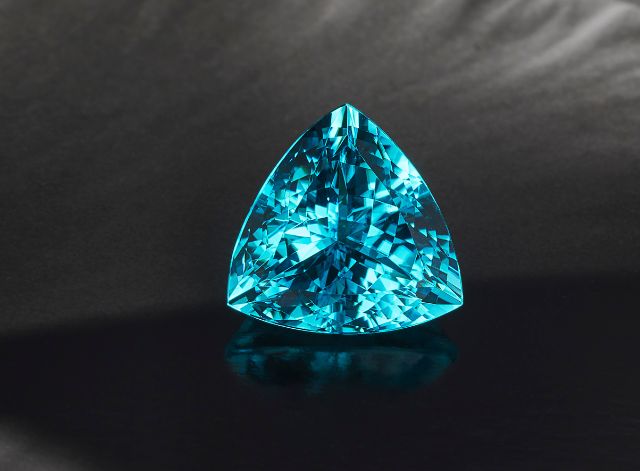
Paraiba Tourmaline is a rare and highly sought-after gemstone known for its vivid blue-green color and intense glow. It is named after the Brazilian state of Paraiba, where it was first discovered in 1989. Paraiba Tourmaline is actually a variety of elbaite tourmaline, which is a complex aluminum borosilicate mineral. The blue-green color of Paraiba Tourmaline is due to the presence of copper and manganese in its crystal structure. The gemstone's intense glow, known as "neon" or "electric" glow, is caused by the scattering of light within the crystal lattice.
Due to its rarity and popularity, Paraiba Tourmaline has been subject to a number of imitations and treatments, including irradiation and dyeing. As a result, it is important for buyers to purchase Paraiba Tourmaline from reputable sources and to request a certificate of authenticity from a reputable gemological laboratory, such as the Gemological Institute of America (GIA) or the American Gemological Laboratories (AGL), to ensure that they are getting a genuine stone.
Jadeite
beauty, durability, and cultural significance
Jadeite is generally considered the most valuable within the jade group, and stones of the highest quality and color can command prices of tens of thousands or even millions of dollars per carat. In recent years, prices for top-quality jadeite have soared due to increasing demand from wealthy Chinese buyers, who view jadeite as a symbol of wealth, status, and good luck.
In recent years, there has been a surge in demand for top-quality jadeite from wealthy buyers in China, which has led to even higher prices for the best specimens. However, the market for jadeite can be opaque and prone to fraud, so it's important for buyers to be knowledgeable about the stone and to work with reputable dealers who can provide documentation and certification for the stones they sell.
There are several certifications and documentation that can help ensure the authenticity and quality of jadeite. Some of the most commonly recognized certifications and documents include GIA and HKJSL.

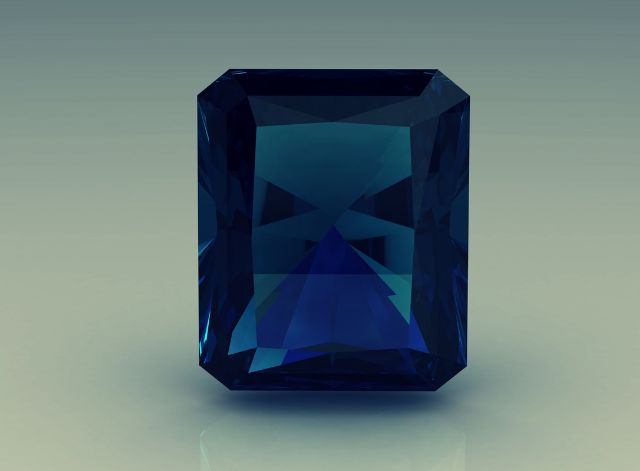
Alexandrite
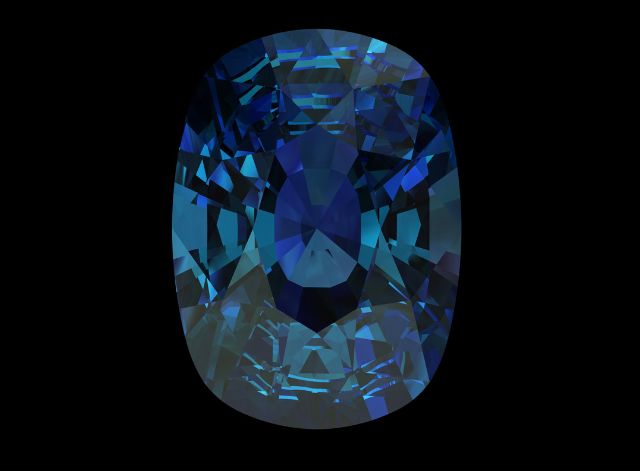
Rich IN COLOR AND RICH IN History
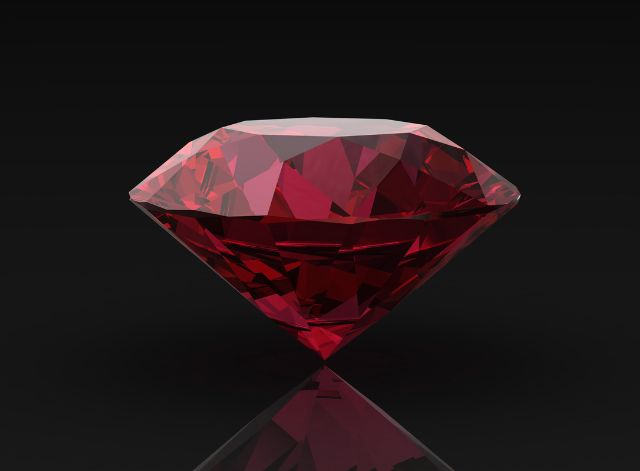
Rubies have been treasured for centuries and have played important roles in many cultures throughout history. In ancient times, they were believed to have magical powers, such as the ability to protect the wearer from harm and to confer success and good fortune.
Today, rubies are still highly valued and are commonly used in jewelry, particularly in engagement rings and other special occasion pieces. The most desirable rubies have a rich, pure red color, with a high degree of transparency and a uniform hue throughout the stone. Rubies that exhibit a subtle "silky" sheen caused by tiny inclusions of rutile are also highly prized.
The world's most famous source of rubies is Burma (now known as Myanmar), which produces some of the finest rubies in the world. Other important sources of rubies include Thailand, Sri Lanka, and Mozambique.
Musgravite
Highly coveted Gem
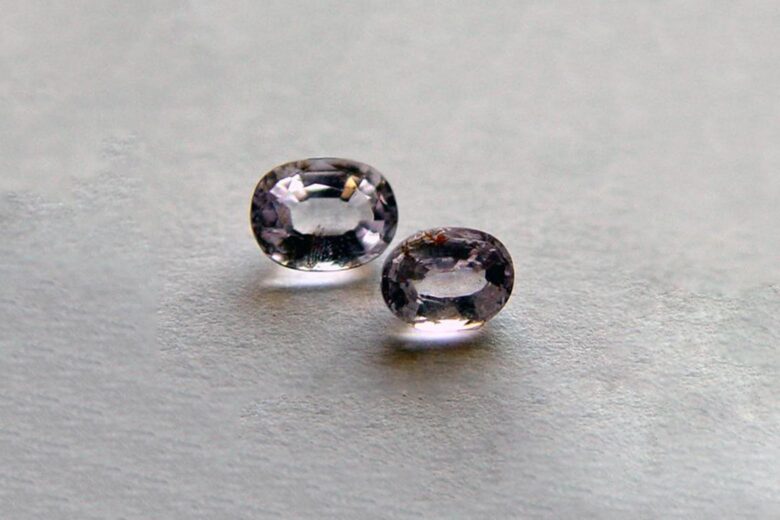
Musgravite is extremely rare and is considered one of the most valuable gemstones in the world, with prices that can exceed $35,000 per carat. It is a relatively small stone, with most specimens weighing less than one carat, and it is usually found in shades of green, gray, and purple.
Musgravite's rarity is due in part to its limited distribution and the difficulty of finding gem-quality specimens. It is also a challenging stone to identify, as it shares many of the same physical and optical properties as taaffeite, spinel, and other minerals.